Why the First Few Weeks of Meditation Feel Worse, Not Calmer

Quick Answer: Early restlessness is expected, not failure. Sitting still removes the distraction that was masking your mind’s normal background activity, so you finally notice what was always there. It typically eases over several weeks — but escalating distress across sessions is a signal to adjust, not to push harder.
Meditation is sold almost entirely on the calm at the end. So the first ten minutes come as a surprise: your leg itches, your to-do list arrives in full, and you’re somehow more wound up than when you sat down.
Two weeks in, most people conclude they’re the one person this doesn’t work for.
They’re usually just early.
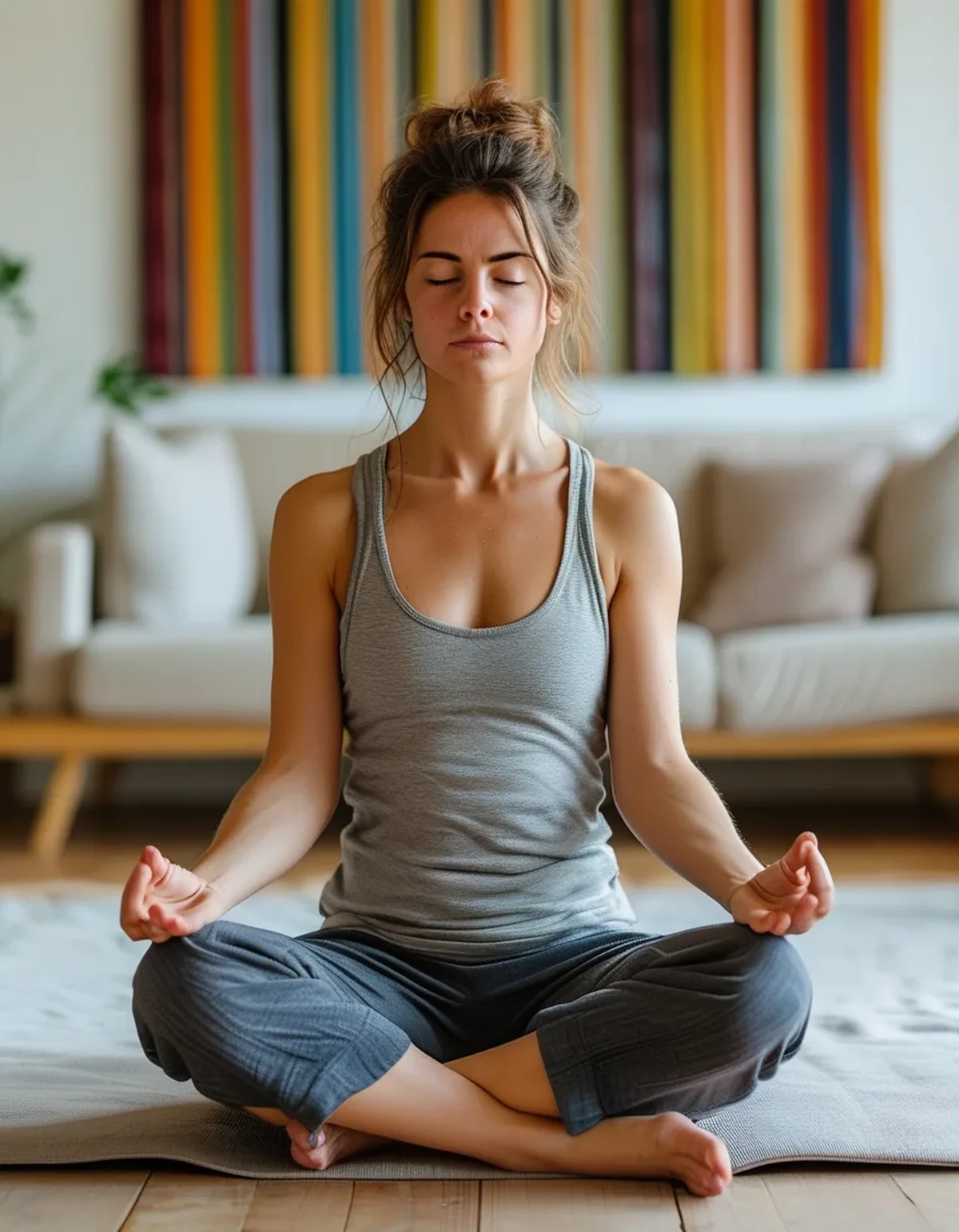
Why does meditation make you feel more restless at first?
Your mind’s baseline level of scattered activity was there all along — it was just masked by constant input. Take away the phone, the podcast, and the movement, and you’re not creating restlessness. You’re noticing it.
There’s also a plain novelty effect. Your body isn’t used to intentional stillness combined with reduced external stimulation, and unfamiliar sensations read as agitating before they read as calming.
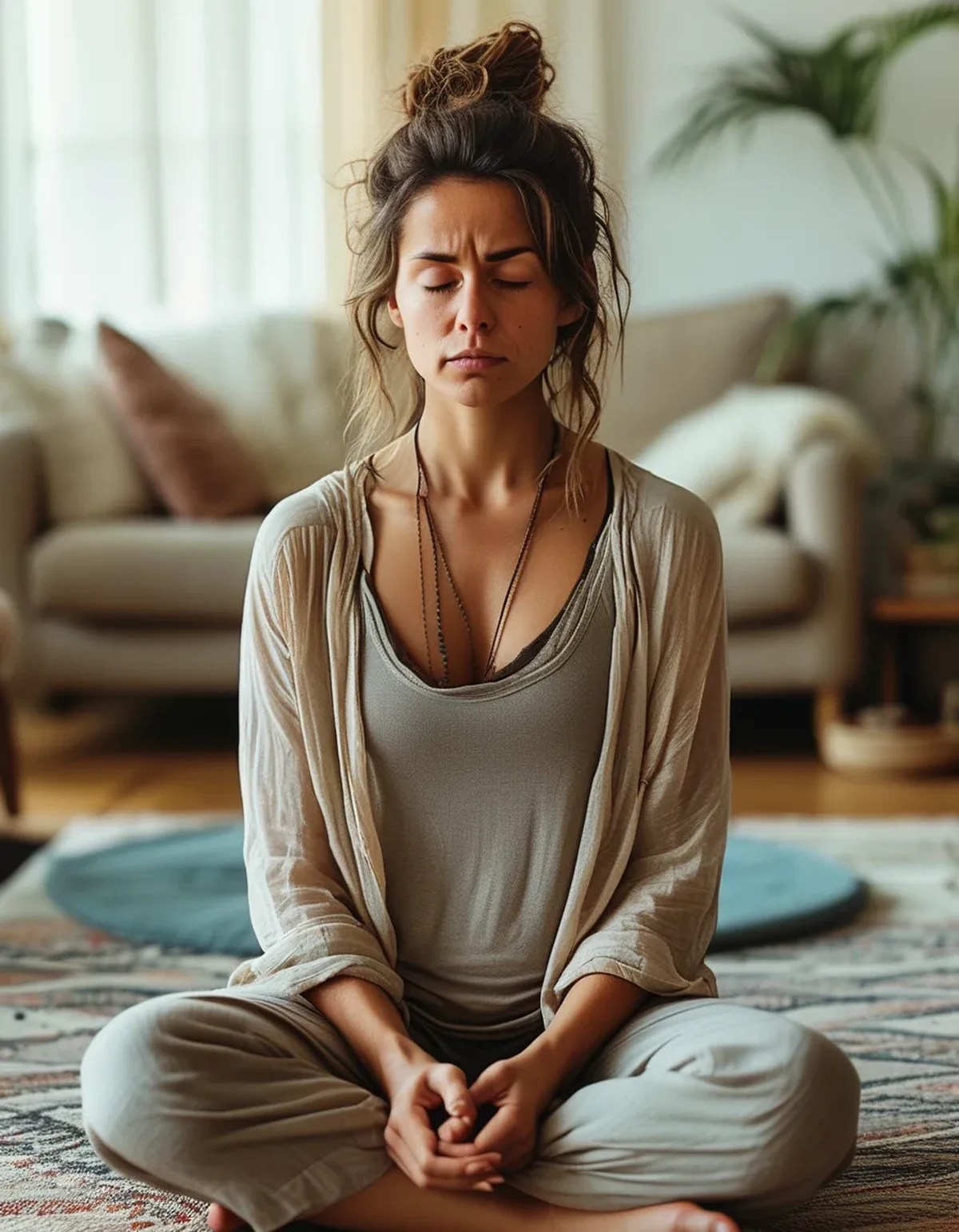
Quiet also makes room for things a busy day normally crowds out. Unprocessed thoughts and low-grade stress surface because, for the first time that day, there’s space for them to.
And then the frustration layer: the assumption that any restlessness means you’re doing it wrong adds a second discomfort on top of the first. The nervous system genuinely needs an adjustment period to a slower baseline, much like any other adaptation.
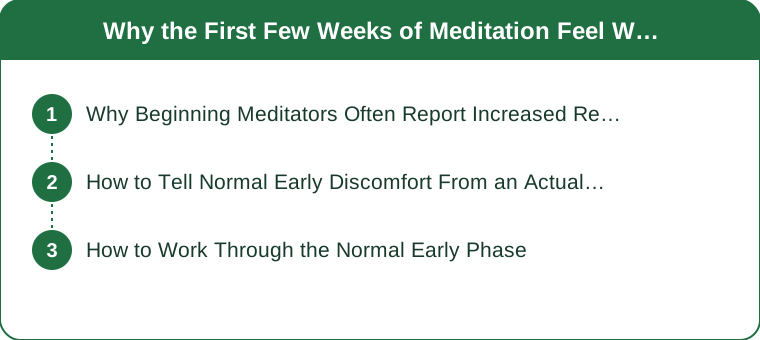
How do you tell normal discomfort from a real signal to adjust?
This distinction matters more than any technique tip:
- Normal: thoughts wandering, mild fidgetiness, a busy mind that comes and goes within a single session. Expected, well documented, and it fluctuates.
- Worth adjusting: genuine physical pain, an escalating panic response, or restlessness that measurably worsens session after session across weeks rather than gradually easing.
- A duration mismatch: attempting twenty minutes in week one. This gets misread as “meditation doesn’t work for me” when it’s really “this format doesn’t fit yet.” Five minutes is not a lesser version — it’s the correct starting dose.
- A technique mismatch: silent seated stillness feeling wrong while a body scan or walking meditation feels far more accessible. Troubleshoot the style before quitting the practice.
- Beyond the scope of self-help: genuine panic, significant emotional flooding, or distress that follows you out of the session.
Myth vs Fact
Myth: A good meditation session is one with no thoughts. Fact: Noticing that you drifted and returning is the actual repetition. A session with fifty returns did more work than a blank one.
Myth: If it makes you anxious, meditation isn’t for you. Fact: For most beginners, early agitation is a phase. For a smaller group with trauma histories or panic disorders, certain styles genuinely can aggravate symptoms — which is a reason to change approach with professional guidance, not to conclude you’re broken.
Myth: Longer sessions work better. Fact: Consistency beats duration by a wide margin early on. Five minutes daily for three weeks outperforms twenty minutes twice.
Myth: Restlessness means it isn’t working yet. Fact: Noticing restlessness is the skill working. Awareness of your own mental state is the thing being trained — calm is a downstream side effect.
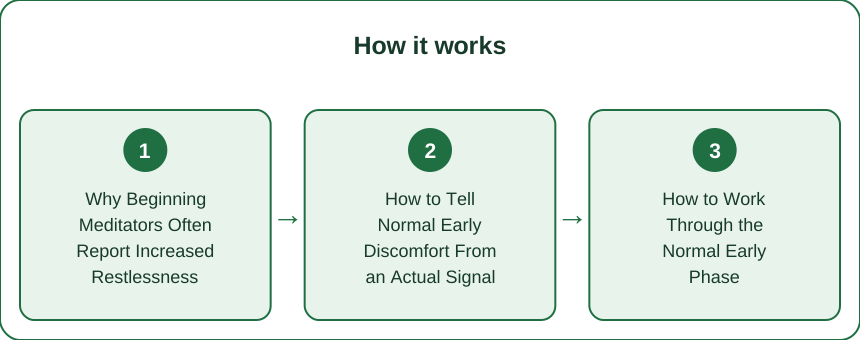
What actually helps you get through the early phase?
Start shorter than feels worthwhile. Three to five minutes builds tolerance without guaranteeing frustration. The urge to start at fifteen is the single most common self-sabotage here.
Normalize the restlessness in advance. Deciding beforehand that a busy mind is part of an early session removes the self-judgment layer that compounds the discomfort.
Try a more active style first. A guided body scan or walking meditation is often a far more accessible entry point for a genuinely restless beginner than silent sitting.
Judge the trend, not the session. Day-to-day variation is normal and means very little. Look at the arc across several weeks instead.
Give it a real trial. A multi-week commitment is the minimum before you can fairly decide whether this works for you.
When to see a professional: if meditation reliably triggers panic, brings up distressing memories, causes dissociation, or your anxiety is escalating outside sessions too, stop treating it as a practice problem. Talk to a mental health professional — some approaches need to be adapted for trauma or anxiety disorders, and that adaptation is their job, not something to improvise alone. The same applies if low mood or anxiety is interfering with sleep, work, or relationships regardless of meditation.
FAQ
How long before meditation actually feels calming?
Most beginners report the early agitation easing somewhere in the three-to-eight week range with near-daily practice. There’s wide individual variation, and benefit timelines depend heavily on session frequency rather than session length.
Is it normal to feel more anxious right after a session?
In the early weeks, mild post-session restlessness is common — you’ve just spent time paying attention to internal states you usually ignore. If it’s sharp, escalating, or lasts hours, that’s the version worth raising with a professional.
Should I switch apps or techniques if it isn’t working?
Change one thing at a time and give it two weeks. Style mismatch is a real and common cause, but constant switching prevents any approach from getting past the awkward phase.
TL;DR:
- Early restlessness is a documented phase — stillness reveals baseline mental activity rather than creating it.
- Self-judgment about “doing it wrong” adds a second layer of discomfort on top of the first.
- Normal: restlessness that fluctuates within a session and eases across weeks. Not normal: pain, escalating panic, or worsening week over week.
- Start at three to five minutes, expect the restlessness, and try walking or body-scan styles if sitting feels impossible.
- Judge the multi-week trend, not any single session.
- Escalating distress, panic, dissociation, or distressing memories means talk to a mental health professional rather than pushing through alone.
Keep Reading
This article is for general informational and styling purposes only. Fit, sizing, and product availability may vary.