Why Meditation Sometimes Makes You Feel More Anxious at First

Quick Answer: Meditation can temporarily increase anxiety because sitting quietly removes the usual distractions that keep anxious thoughts at bay, making them more noticeable, not more frequent. This effect is common and typically fades within a few weeks of consistent, shorter practice.
You sat down expecting calm and instead your mind wouldn’t stop racing, your chest got tight, and you gave up after four minutes feeling worse than when you started. That reaction is more common than most guided meditation apps let on.
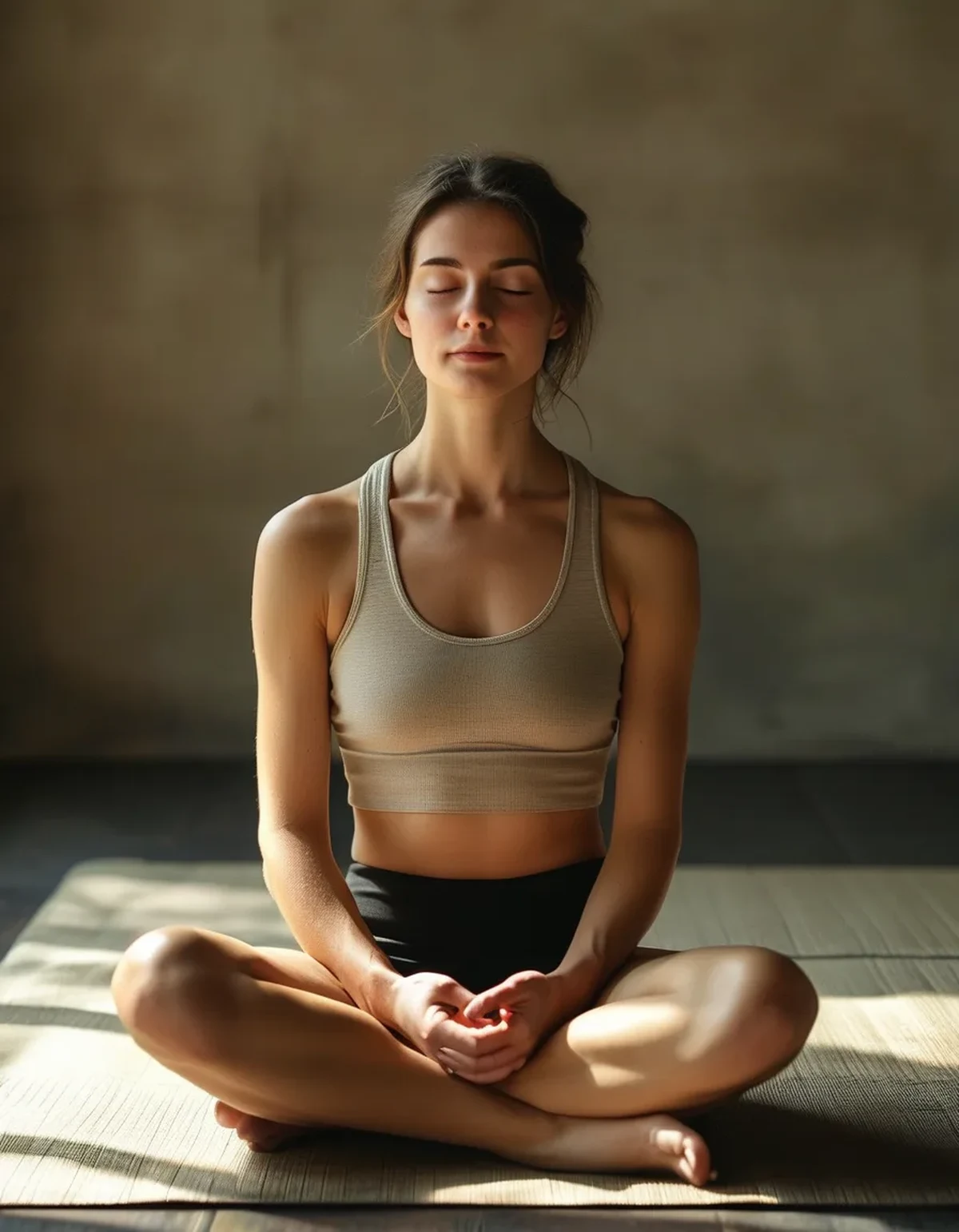
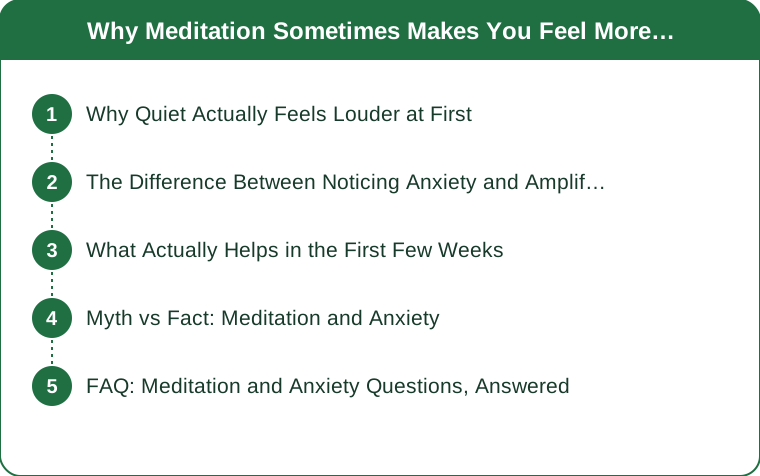
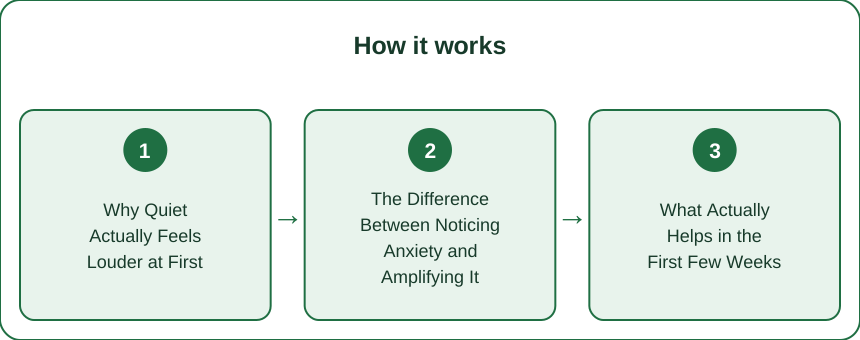
Why Quiet Actually Feels Louder at First
Throughout a normal day, your attention is constantly pulled outward — phone, conversations, tasks — which functions as a kind of background noise that drowns out anxious thoughts without you realizing it. When you sit still and quiet, that outward pull disappears, and thoughts that were always there become suddenly audible.
This isn’t meditation creating anxiety — it’s meditation revealing anxiety that was already present but distracted-from. For people with higher baseline anxiety, that revealing can feel intense and unfamiliar in early sessions.
The Difference Between Noticing Anxiety and Amplifying It
There’s a meaningful difference between meditation surfacing existing anxious thoughts (normal, and often the actual point of the practice) and a specific technique amplifying distress. Long, unstructured silent sitting — especially with eyes closed for 20+ minutes as a total beginner — is more likely to feel overwhelming than shorter, guided, or movement-based practices.
If every session leaves you shakier rather than gradually steadier over 2-3 weeks, that’s a signal to change technique, not push through it.
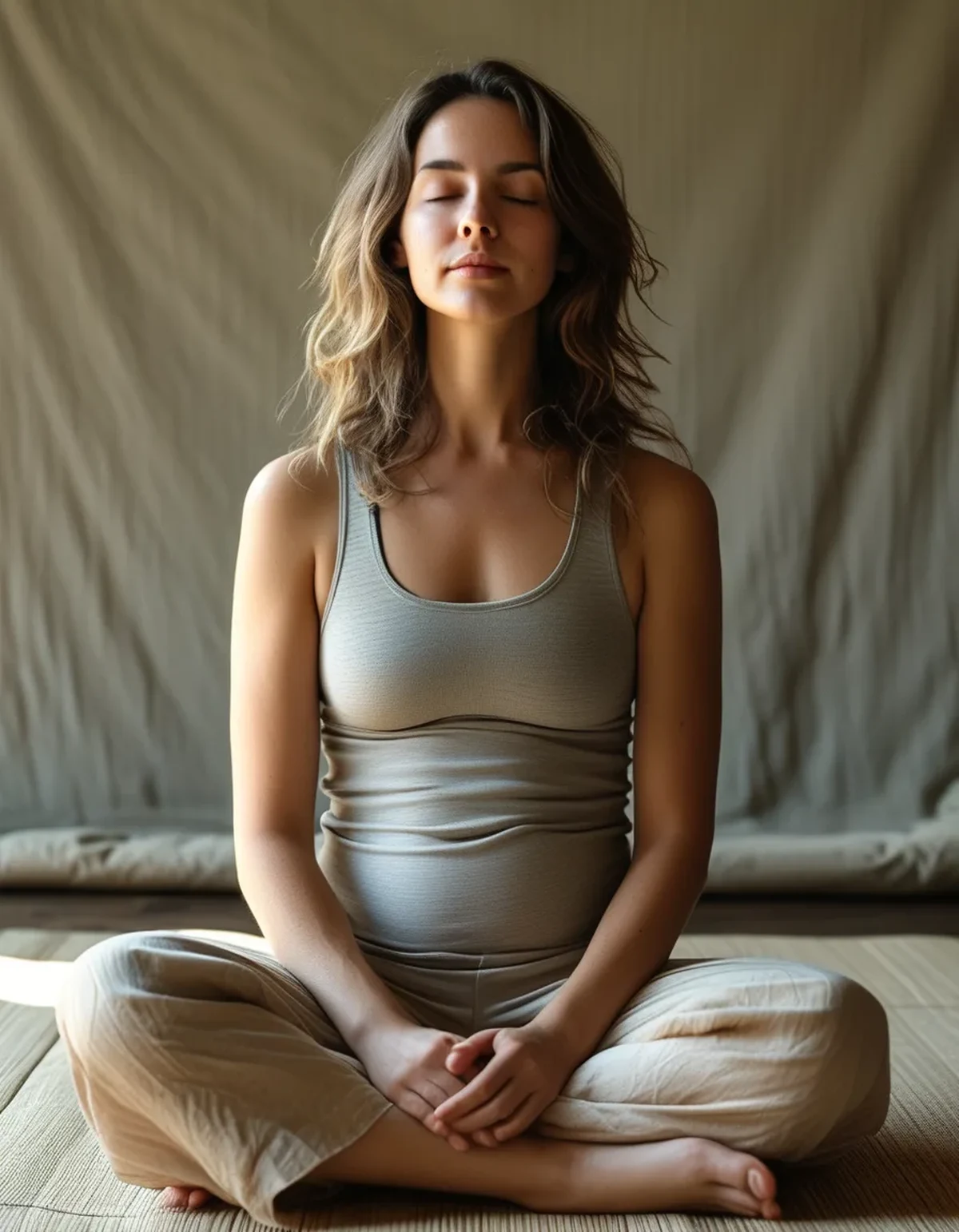
What Actually Helps in the First Few Weeks
Start with 3-5 minutes, not 20. Longer sessions for anxious beginners often backfire — shorter, more frequent practice builds tolerance more gently.
Try guided meditation before silent. A voice giving you something to follow reduces the sense of being alone with racing thoughts, which is often what spikes anxiety in silent practice.
Keep eyes slightly open, gaze soft and downward. Fully closed eyes can intensify anxiety for some people by removing all external anchoring — a soft open gaze keeps a light connection to your surroundings.
Try movement-based mindfulness first. Walking meditation or body scans give your mind something concrete to track, which is often more approachable than pure open-focus sitting.
Myth vs Fact: Meditation and Anxiety
Myth: If meditation makes you anxious, it’s not for you. Fact: for most people, this is a temporary adjustment phase, not a sign the practice is wrong for them — technique adjustments usually resolve it.
Myth: You have to push through discomfort for meditation to ‘work.’ Fact: gently reducing session length and switching to guided or movement-based practice is a legitimate, effective approach, not a lesser one.
Myth: Real meditation means total silence and stillness. Fact: guided audio, walking meditation, and body scans are all established, evidence-backed forms of mindfulness practice.
FAQ: Meditation and Anxiety Questions, Answered
How long does the ‘meditation makes me more anxious’ phase usually last?
For most people using shorter, guided sessions, this settles within 2-4 weeks of consistent practice as the mind gets more familiar with quiet attention.
Should I stop meditating if it consistently increases my anxiety?
If anxiety consistently worsens beyond 3-4 weeks despite shorter sessions and guided formats, it’s worth talking to a therapist, since underlying anxiety or trauma can sometimes make unstructured stillness feel unsafe and may need a different approach.
Is guided meditation less effective than silent meditation?
No — research on mindfulness-based interventions generally doesn’t show a significant effectiveness gap between guided and silent practice, and guided formats often have better long-term adherence for beginners.
TL;DR:
- Early meditation anxiety usually comes from noticing thoughts that were always there, not from meditation creating new anxiety
- Long silent sessions are the most likely format to overwhelm anxious beginners
- Shorter sessions (3-5 minutes), guided audio, and a soft open gaze all reduce the intensity
- This phase typically passes within 2-4 weeks of consistent, adjusted practice
If your first few sessions felt worse, that’s data about technique, not proof meditation isn’t for you — a shorter, guided approach solves this for most people within a few weeks.
Keep Reading
This article is for general informational and styling purposes only. Fit, sizing, and product availability may vary.