Why Does Meditation Sometimes Make You Feel MORE Anxious? Here's What's Actually Happening

Quick Answer: Meditation can temporarily increase anxiety because sitting quietly removes the usual distractions that keep background thoughts and body sensations out of awareness — you’re not creating new anxiety, you’re noticing existing anxiety you were previously too busy to feel. Shorter sessions and movement-based practices usually help more than pushing through longer stillness.
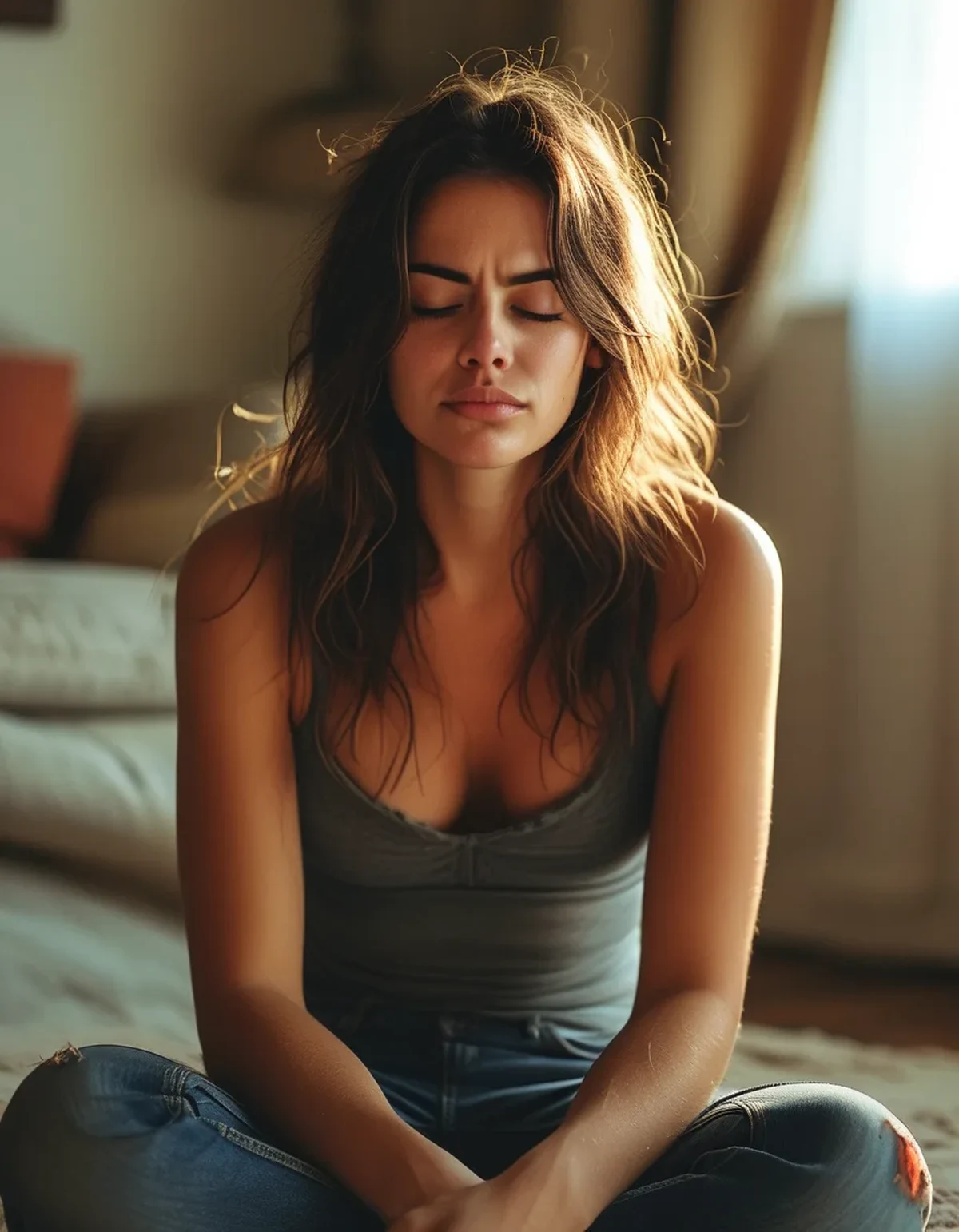
You expected meditation to feel like a deep breath. Instead, 5 minutes in, your mind is racing faster than before you sat down and your chest feels tight. That reaction is real, documented, and doesn’t mean you’re ‘bad at meditating.’

Why would sitting still make anxiety worse instead of better?
Because daily life constantly distracts you from background anxiety — work, phone, conversation, movement. Meditation removes all of that at once, and what surfaces isn’t new anxiety, it’s anxiety that was already there, now without anything competing for your attention.
This is sometimes called relaxation-induced anxiety in research, and it’s a recognized enough pattern that it has its own name — it happens to a meaningful minority of people, especially those with higher baseline anxiety, and it’s not a sign the practice is failing.
Is this dangerous or a sign I shouldn’t meditate?
For most people, it’s uncomfortable but not harmful — a normal, temporary response to reduced distraction, not evidence you should avoid meditation permanently. It usually eases as you build tolerance for sitting with unfiltered thoughts, similar to how any new, unfamiliar sensation feels more intense at first.
It’s worth being more careful, and possibly working with a therapist who specializes in mindfulness-based approaches, if you have a trauma history — some breathing and body-focused practices can surface trauma responses that benefit from professional support rather than solo practice.
What actually helps if stillness triggers anxiety?
Several evidence-supported adjustments, easiest first:
- Shorten sessions dramatically — 2-3 minutes instead of 15-20. Build tolerance gradually rather than forcing a long sit that backfires.
- Try movement-based mindfulness — walking meditation or gentle yoga gives the nervous system an outlet that pure stillness doesn’t.
- Keep eyes open, soft focus on a fixed point rather than closed — this can reduce the disorienting, closed-off feeling some people find intensifies anxiety.
- Use guided sessions with a voice rather than silent meditation — an external anchor gives your attention somewhere to land besides your own racing thoughts.
What Nobody Tells You About This Specific Pattern
Here’s what most beginner meditation content skips entirely: anxiety that surfaces during meditation is information, not failure. People with higher baseline anxiety are, somewhat counterintuitively, often the ones who benefit most from mindfulness practice long-term — but they frequently need a gentler on-ramp (shorter sessions, movement-based options, professional guidance) than the standard ‘sit for 20 minutes’ advice assumes.
The mistake isn’t trying meditation — it’s using a one-size-fits-all approach when your nervous system needs a different entry point.
FAQ: Meditation and Anxiety Questions, Answered
How long does it take for this reaction to ease with practice?
Highly variable — some people notice improvement within 1-2 weeks of shorter sessions, others need longer or benefit from guided/professional support throughout.
Should I push through the anxious feeling or stop the session?
Gentle titration (shortening rather than stopping entirely) tends to work better than either forcing through severe discomfort or avoiding meditation completely — but always stop if it feels genuinely overwhelming rather than just uncomfortable.
Is this different from a panic attack?
Yes — relaxation-induced anxiety is typically milder and more like restless, racing thoughts, while a panic attack involves more intense physical symptoms (racing heart, chest pain, difficulty breathing). If you experience the latter, that’s worth discussing with a doctor. This is general information, not medical advice.
TL;DR:
- Anxiety during meditation is usually existing anxiety surfacing without distraction, not new anxiety being created
- It’s a documented pattern (relaxation-induced anxiety), not a sign you’re doing it wrong
- Shorter sessions, movement-based practice, and guided audio all lower the barrier
- Trauma history or panic-level symptoms warrant professional guidance rather than solo practice
This is general information, not medical advice — start with 2-3 minutes, not 20, and build from there.
Keep Reading
This article is for general informational and styling purposes only. Fit, sizing, and product availability may vary.