When Meditation Apps Aren't Enough: Body-Based Grounding Techniques That Work Differently

Quick Answer: When racing thoughts are too intense for a guided meditation to interrupt, body-based grounding techniques — which use physical sensation rather than mental focus to anchor attention — often work faster because they don’t require the same level of mental stillness meditation typically asks for.
You’ve opened the meditation app during a genuinely anxious moment and found that trying to focus on your breath or a guided voice just doesn’t land — which isn’t a sign meditation has failed you, it’s a sign a different tool might work better for this specific moment.

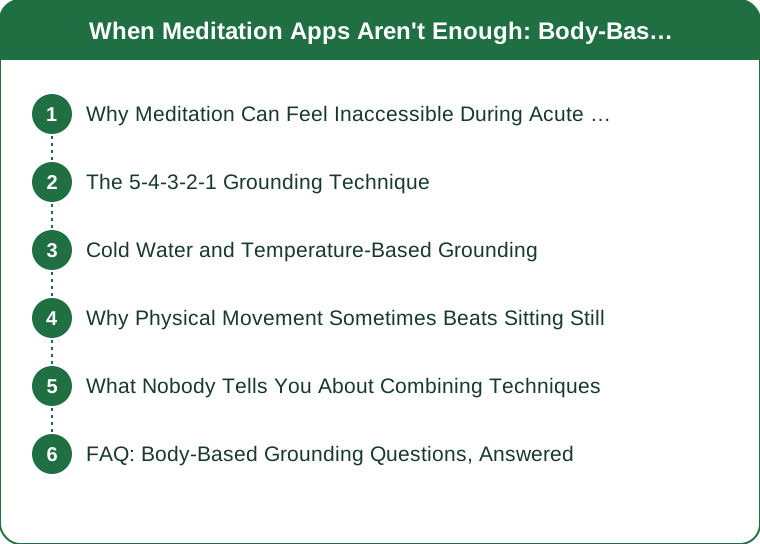
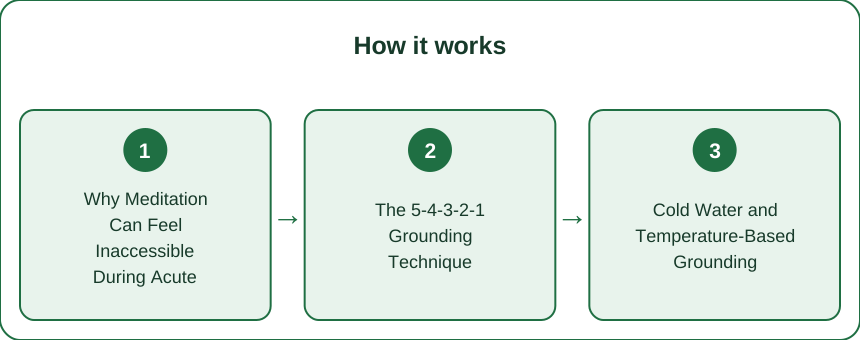
Why Meditation Can Feel Inaccessible During Acute Anxiety
Most guided meditation asks you to direct attention inward and sit with your thoughts, which requires a baseline level of mental calm to actually engage with — during a genuinely activated anxious state, that baseline often isn’t available yet, making meditation feel frustrating rather than calming in the moment.
The 5-4-3-2-1 Grounding Technique
Naming five things you can see, four you can touch, three you can hear, two you can smell, and one you can taste redirects attention to concrete sensory input rather than internal thought, which requires far less mental stillness than meditation and often works faster during acute anxiety.
Cold Water and Temperature-Based Grounding
Splashing cold water on your face or holding an ice cube activates a physiological response (sometimes called the mammalian dive reflex) that can measurably slow heart rate within seconds, offering a faster physical intervention than a mental-focus technique during intense moments.

Why Physical Movement Sometimes Beats Sitting Still
For some people, racing thoughts paired with physical restlessness respond better to a brief walk or even shaking out the arms and legs than to sitting still, since it gives the nervous system’s excess activation somewhere physical to go rather than asking the body to be still while the mind is anything but.
What Nobody Tells You About Combining Techniques
Body-based grounding and traditional meditation aren’t competing methods — many people find grounding techniques work as a bridge, calming the nervous system enough in the first few minutes that a guided meditation becomes accessible and effective afterward, rather than choosing one over the other permanently.
FAQ: Body-Based Grounding Questions, Answered
How do I know if I should try grounding instead of meditation in a given moment?
If sitting still and focusing on breath feels frustrating or impossible rather than calming within the first minute or so, that’s a reasonable signal to try a body-based technique first.
Are grounding techniques a substitute for therapy or professional anxiety treatment?
No — they’re in-the-moment coping tools, not a replacement for professional support if anxiety is frequent, severe, or interfering with daily functioning.
Can grounding techniques be used in public without anyone noticing?
Yes — the 5-4-3-2-1 technique and slow, deliberate breathing can both be done discreetly without drawing attention, which makes them practical options in public or work settings.
TL;DR:
- Meditation requires a baseline calm that acute anxiety doesn’t always allow for
- The 5-4-3-2-1 technique redirects attention to sensory input rather than internal thought
- Cold water and physical movement offer faster physiological interventions in intense moments
- Grounding and meditation work well together as a bridge, not as competing methods
This is general information, not medical advice — persistent or severe anxiety is worth discussing with a therapist or doctor rather than managing with grounding techniques alone.
Keep Reading
This article is for general informational and styling purposes only. Fit, sizing, and product availability may vary.