Feeling Restless During Meditation Doesn't Mean You're Bad at It

Quick Answer: Feeling restless during meditation doesn’t mean you’re doing it wrong — it’s one of the most commonly reported early experiences, and it has real physiological roots (an alert nervous system, amplified sensations, unresolved daily stimulation). Shorter sessions, allowing small movement, and naming the restlessness instead of fighting it are what actually help.
You sit down, close your eyes, and within ninety seconds your foot is tapping, your mind is drafting a grocery list, and you’re pretty sure you’re failing at the one thing that’s supposed to make you calmer.
Why Is Restlessness a Normal Part of Meditation, Not a Sign of Failure?
Here’s the reframe worth holding onto: restlessness is one of the most universally reported early experiences in meditation, common enough that experienced teachers expect it by default rather than treating it as a red flag. You’re not doing something wrong — you’re doing something new.
Sitting still with no task is a state most nervous systems rarely, if ever, practice. Everything about modern life trains you to move, check, respond, and scroll — so the initial discomfort of not doing any of that is predictable, not diagnostic of some personal flaw. Unfamiliarity produces discomfort no matter how “good” you are at other things.
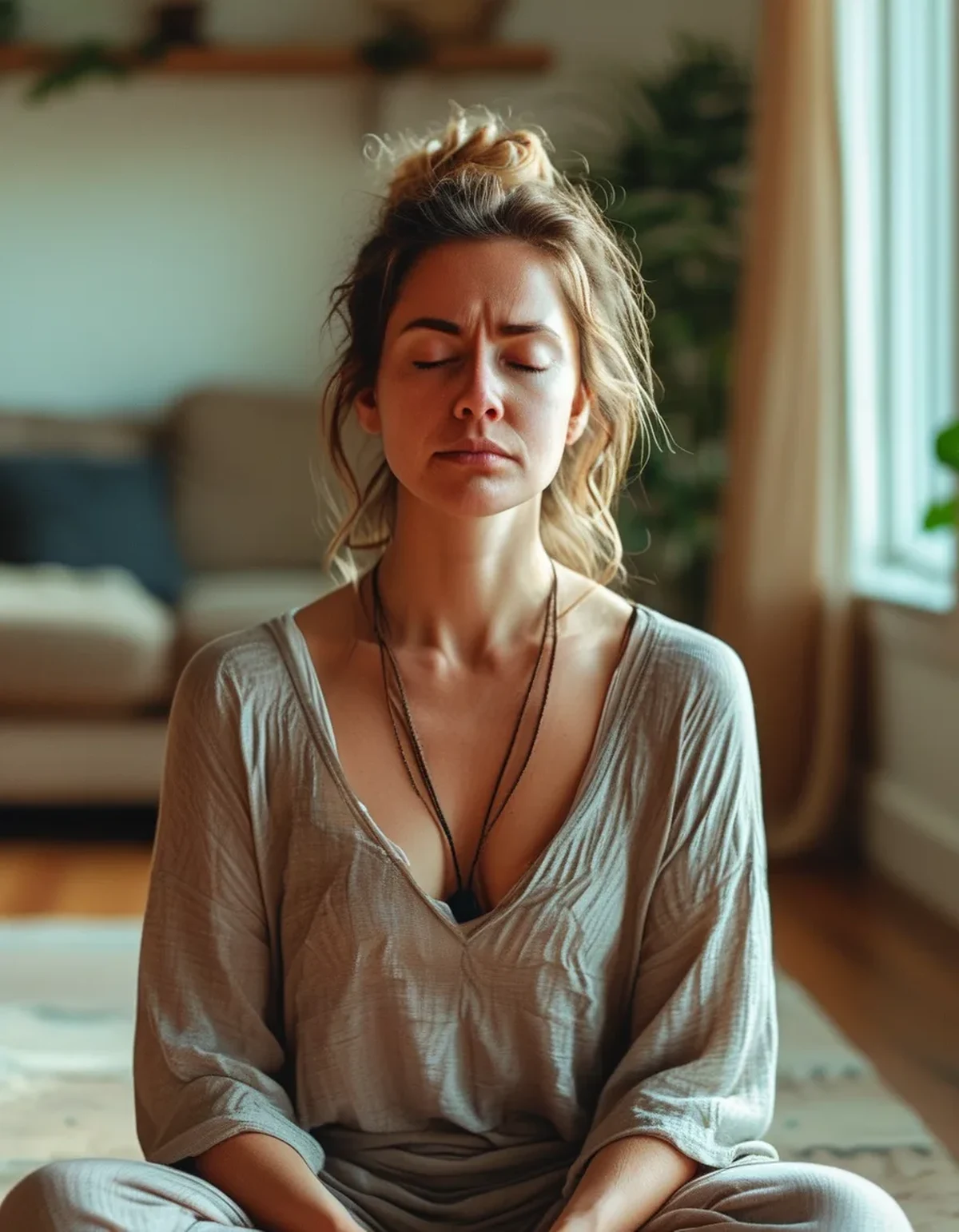
Here’s the part that actually reframes the whole experience: noticing that you’re restless is the practice working, not the practice failing. The entire point of early meditation is building awareness of your own mental and physical state — and catching yourself mid-fidget is that awareness in action. Even long-term practitioners still feel restless sometimes; it doesn’t fully disappear, it just stops being disruptive.

What’s Actually Happening in Your Body When You Feel Restless?
Restlessness isn’t a character flaw showing up on your meditation cushion — it’s your physiology doing exactly what physiology does. A few things are going on at once:
- Your nervous system doesn’t have an off-switch for vigilance. The baseline habit of scanning your environment and your thoughts doesn’t shut off just because you sat down and closed your eyes.
- Stillness turns up the volume on small sensations. An itch, a bit of tension, a low hum of restlessness — all of it becomes far more noticeable once you’re not moving or distracted, simply because there’s nothing else competing for your attention.
- The day’s stimulation doesn’t switch off on command. Stress hormones and mental energy that built up over your morning don’t evaporate the instant you sit on a cushion; they need somewhere to go, and restlessness is often that release valve.
- An unpracticed body reacts to stillness like exercise it hasn’t done before. If you’re not used to sitting still for extended periods, genuine physical discomfort can show up and get misread as “restlessness” when it’s really just an unconditioned body adjusting.
- Focusing on your breath can briefly make it feel harder to breathe naturally. This is a temporary paradox — deliberately noticing your breath sometimes makes it feel effortful at first — and it resolves with practice.
What Adjustments Actually Reduce Restlessness Over Time?
None of this requires white-knuckling your way through 20-minute sessions. A few concrete changes make a real difference:
- Shorten your sessions on purpose. Start with 3-5 minutes instead of 20 — you’re building tolerance for stillness gradually, the same way you’d build up a mile run instead of starting with ten.
- Allow small posture adjustments. Rigid, motionless stillness isn’t actually the requirement for meditation to “count.” Shifting your weight or scratching an itch doesn’t reset the practice to zero.
- Try movement-based meditation first. A walking meditation or other gentle movement-based practice can ease the transition into stillness-based sitting later, especially if stillness feels like the hardest part.
- Name the restlessness instead of fighting it. Simply noting “restlessness” mentally as it arises — without judgment, without a plan to fix it — reduces the internal fight against the sensation itself.
- Move your body a little beforehand. Light physical activity shortly before you sit — a short walk, some stretching — can burn off some of the built-up physical energy that would otherwise show up as fidgeting.
Myth vs. Fact: Restlessness in Meditation
Myth: Restlessness means meditation “isn’t for you.” Fact: it’s one of the most common early experiences reported across beginners, and it typically eases as your nervous system gets more practice with stillness.
Myth: Real meditators sit perfectly still without any urge to move. Fact: even experienced practitioners still notice restlessness sometimes — it just stops derailing the session the way it did early on.
Myth: You have to push through discomfort to build discipline. Fact: shorter sessions and permitted small movements build the skill more sustainably than forcing yourself through discomfort that makes you dread sitting down tomorrow.
Frequently Asked Questions
How long does it take for restlessness during meditation to fade?
It varies a lot from person to person, but many beginners notice it becoming less disruptive within a few weeks of short, consistent sessions. It rarely disappears completely — it just becomes something you can notice and let pass instead of something that derails the whole sit.
Should I stop meditating if I feel restless every single time?
No — restlessness alone isn’t a reason to quit, especially early on; try shortening your sessions and allowing small movement before deciding meditation “isn’t for you.” That said, everyone’s experience is different, so pay attention to how you feel overall and don’t force a practice that consistently leaves you more distressed than before you started.
When should restlessness during meditation be discussed with a professional?
If restlessness is paired with ongoing anxiety, panic, racing thoughts you can’t redirect, or it’s part of a broader pattern of distress that shows up outside of meditation too, it’s worth talking to a therapist or doctor rather than troubleshooting it alone. Meditation is a wellness tool, not a substitute for professional mental health care when something bigger is going on.
TL;DR:
- Restlessness during meditation is one of the most common early experiences — it’s not a sign you’re failing.
- It has real physiological roots: an always-on vigilance system, amplified sensation from stillness, and unresolved daily stimulation.
- Noticing you’re restless is actually the practice of awareness working, not evidence it’s broken.
- Shorter sessions, allowed small movement, movement-based entry practices, and naming the feeling all help over time.
- If restlessness comes with ongoing anxiety or distress beyond meditation, check in with a therapist or doctor.
Keep Reading
This article is for general informational and styling purposes only. Fit, sizing, and product availability may vary.